How to Use Aloe Vera Gel for Dry Skin Treatment
Why Treating Dry Skin Properly Matters
Dry skin is more than a temporary inconvenience. While many people experience occasional tightness or flaking, chronic dryness can weaken the skin barrier, accelerate visible aging, and increase sensitivity to environmental stressors. If your skin feels rough, itchy, or irritated, it is signalling that its protective layer is compromised.
Many conventional moisturizers simply coat the skin with oils to soften the surface temporarily. While this may reduce tightness, it does not always restore proper hydration balance. That is why understanding how to use Aloe Vera for dry skin treatment is important. Aloe Vera gel offers hydration, soothing relief, and barrier support without clogging pores or overwhelming the skin.
Understanding Dry Skin: What Causes It and Why It Persists
Dry skin occurs when the outermost layer of the skin (the stratum corneum) loses both water and lipids. These two elements are essential for maintaining flexibility and protection.
Common Causes of Dry Skin
Cold or dry climates
Low humidity levels reduce moisture in the air, which pulls water from the skin.
Hot showers and harsh cleansers
These strip away natural oils that protect the skin barrier.
Ageing
As we age, oil production slows, making it harder for skin to retain moisture.
Sun exposure
UV damage weakens the skin barrier and depletes natural hydration.
Skin conditions
Eczema and dermatitis impair the barrier function, increasing water loss.
When the barrier is compromised, water evaporates more easily, a process called transepidermal water loss (TEWL). This leads to flaking, redness, irritation, and sometimes small cracks in the skin.
The goal of treatment is therefore not only to “moisturize,” but to:
- Replenish water content
- Calm inflammation
- Support barrier repair
- Prevent future moisture loss
- This is where Aloe Vera gel plays a powerful role.
Why Aloe Vera Gel Works for Dry Skin Treatment
Aloe Vera gel is derived from the inner leaf of the Aloe Barbadensis plant. It contains over 75 biologically active components that benefit the skin.
1. Deep Hydration Without Heaviness
Aloe contains natural polysaccharides that attract and bind water to the skin. This means it works as a humectant, pulling moisture into the upper layers without creating a greasy layer.
Benefit:
Skin feels hydrated, not oily. This makes Aloe suitable for dry skin that is also acne-prone or sensitive.
2. Soothing Inflammation and Redness
Dry skin often becomes inflamed, especially when scratched or irritated by clothing and weather changes. Aloe contains compounds like acemannan that calm the skin and reduce visible redness.
Benefit:
Immediate relief from itching, irritation, and tightness.
3. Supporting Skin Barrier Repair
Dryness weakens collagen and elastin fibers over time. Aloe stimulates fibroblast activity, the cells responsible for producing collagen.
Benefit:
Stronger, more resilient skin that holds moisture more effectively.
4. Antioxidant Protection
Environmental stress such as pollution and UV rays worsen dry skin. Aloe contains vitamins C and E, which help neutralize free radicals.
Benefit:
Protection against premature aging linked to chronic dryness.
How to Use Aloe Vera for Dry Skin Treatment: Detailed Application Guide
Using Aloe correctly makes a significant difference in results. Below are practical methods based on different dryness levels.
1. Daily Hydration Layer
If your skin feels mildly dry or tight during the day:
- Cleanse with a gentle, non-stripping cleanser.
- Pat skin slightly damp (do not fully dry).
- Apply a thin layer of Aloe Vera gel evenly across the face or body.
- Allow it to absorb fully.
Why this works:
Applying Aloe to damp skin helps lock in existing moisture. The gel acts as a hydration magnet and reinforces the skin barrier throughout the day.
2. Intensive Overnight Repair Treatment
For moderate to severe dryness:
- Cleanse skin before bed.
- Apply a generous layer of Aloe Vera gel as a leave-on mask.
- Allow it to absorb partially.
- Optional: Seal with a light cream if skin is extremely dry.
Why this works:
Night-time is when skin repair processes are most active. Aloe supports regeneration and reduces overnight water loss.
Expected result:
Softer, smoother skin by morning with reduced flaking.
3. Post-Shower Moisture Restoration
Hot water strips protective lipids. Immediately after bathing:
- Pat skin lightly but leave slightly damp.
- Apply Aloe Vera gel over affected areas (legs, arms, elbows).
Why this works:
Aloe replenishes hydration before evaporation occurs, preventing post-shower dryness.
4. Targeted Treatment for Dry Patches
For localized dry areas:
- Apply Aloe gel directly to rough patches (elbows, knees, hands).
- Massage gently until absorbed.
- Reapply twice daily.
Why this works:
Consistent hydration improves skin flexibility and reduces cracking over time.
How Often Should You Use Aloe Vera Gel?
For best results:
- Mild dryness: Once daily
- Moderate dryness: Morning and evening
- Severe dryness: Twice daily plus targeted spot application
Aloe Vera gel is gentle enough for daily use and suitable for most skin types.
Choosing a Quality Aloe Vera Gel
The effectiveness of Aloe depends heavily on formulation quality.
When selecting a product, look for:
- Aloe Barbadensis leaf juice listed high in ingredients
- Minimal alcohol content
- No unnecessary artificial colorants
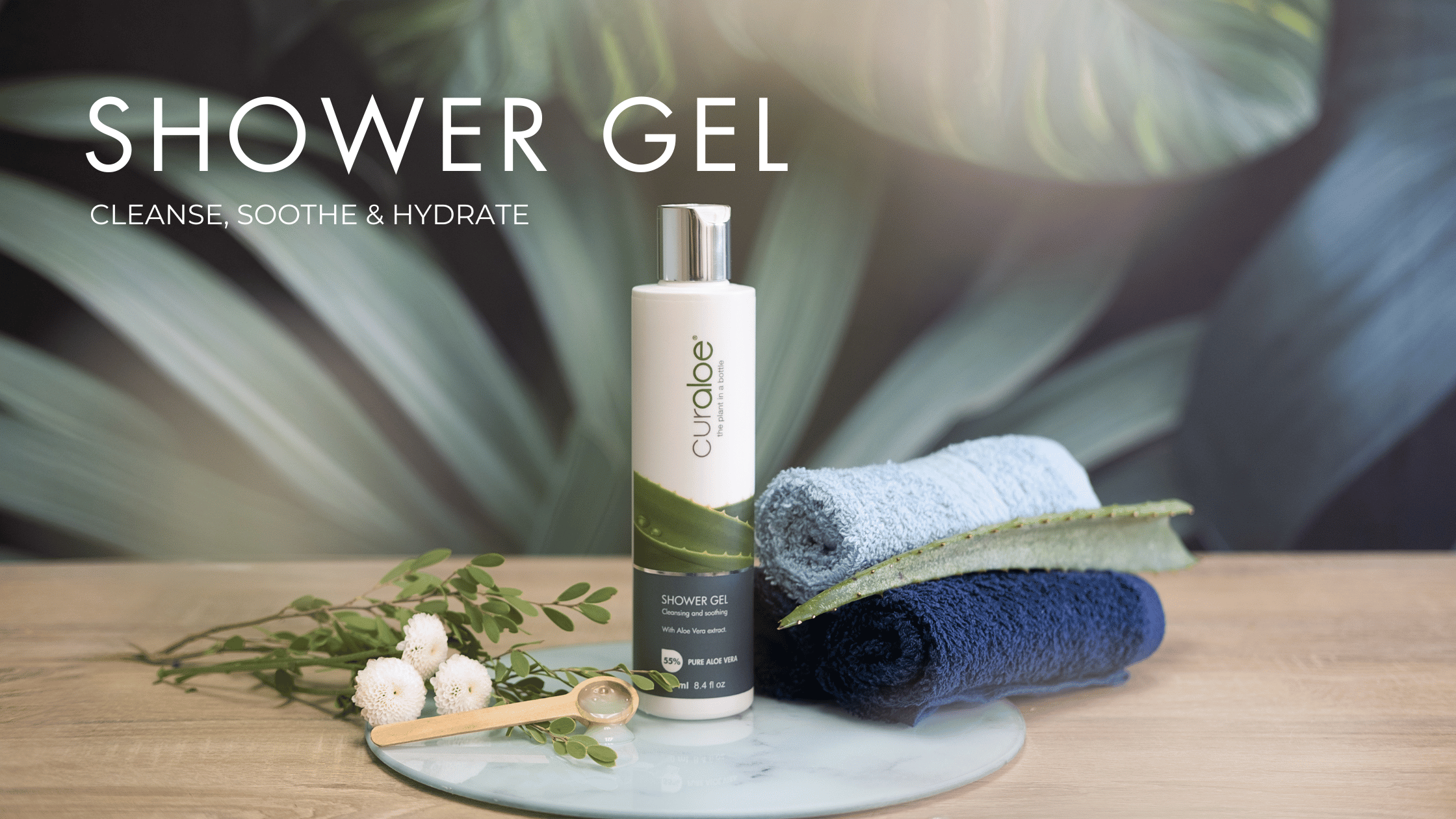
Curaloe Aloe Vera Gel contains a high percentage of fresh Aloe and is designed for both facial and body use. It is lightweight, fast-absorbing, and suitable for sensitive skin.
Who Benefits Most from Aloe Vera for Dry Skin?
Aloe Vera gel is especially helpful for:
- Individuals living in dry or cold climates
- People experiencing seasonal dryness
- Those with sensitive or reactive skin
- Mature skin experiencing reduced oil production
- Anyone exposed to frequent sun or air conditioning
- Because it is non-comedogenic, it is also suitable for combination skin types.
A Smarter Approach to Dry Skin Care
Dry skin requires more than temporary softness, it needs hydration support, barrier repair, and calming ingredients. Aloe Vera gel addresses all three concerns in one lightweight formula.
Understanding how to use Aloe Vera for dry skin treatment allows you to treat the root cause of dryness rather than masking it. With consistent use, skin becomes more balanced, comfortable, and resilient.